
The smoke was thick, curling into the sky as a woman crouched over an open fire. A baby clung to her back. Two small children stood too close to the flames, their bare feet inches from danger, the air burning their eyes and lungs.
For Brian and Mary Ellen Kluth, scenes like this were not statistics—they were moments that demanded a response.
He had seen poverty before. He had traveled the world, taught on generosity for decades, and written Bible generosity devotionals and resources that have been translated into more than 50 languages. But in places like Uganda, the need became deeply personal.
“We met people living in darkness, drinking unsafe water, and struggling just to cook a meal,” Brian says. “And we realized we needed practical solutions that could transform daily life.”
That realization would shape the next chapter of their lives and ministry.
Turning personal loss into legacy
In 2010, after an eight-year battle with cancer, his wife Sandi passed away. A year later, a close Ugandan friend reached out with a special request: would it be okay if they built a dormitory for needy girls and orphans at their school and call it the Sandi House.
Brian thought this would be a wonderful way to honor Sandi’s life and legacy. There was no money to begin the work, but Brian and his family felt called to move forward. That Christmas, Brian gathered his children and announced that their family’s gift for Jesus’ birthday would be giving away the money in their bank accounts to help build the Sandi House.
The children said, “but dad, we won’t have any money!”
“You’re right,” Brian said. “But they need it more than we do and God will provide for us.”
It wasn’t easy. It required faith and trust. But it became a defining moment that shifted the Kluth family’s generosity from faithful giving to full surrender. What followed surprised them all. Friends and supporters began giving generously, and within months the funding was in place. A year later, the 124-bed Sandi House was completed.
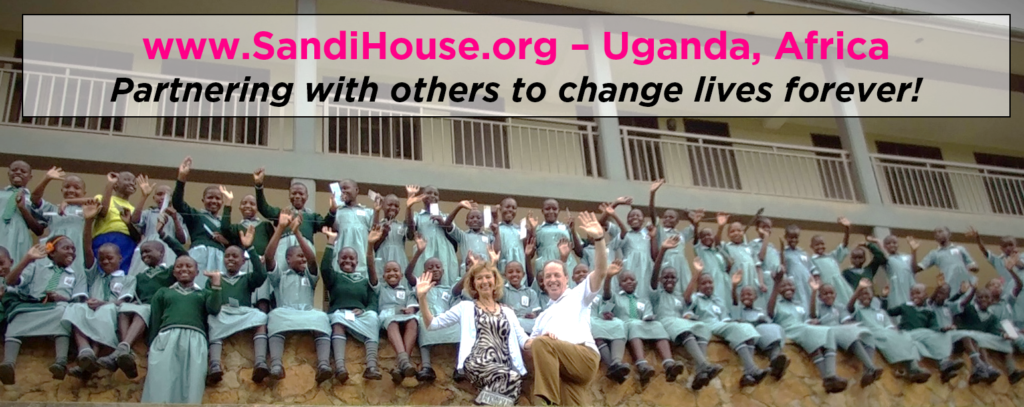
What began as personal loss became a lasting legacy. Today, that single act of generosity has helped spark initiatives that have impacted more than 170,000 lives across Africa.
“Sandi’s death brought life,” Brian said. “And that life keeps multiplying.”
Solutions transforming lives
Three years after Sandi’s passing, Brian married Mary Ellen who was also widowed in her early 50s.
Over the years, Brian and Mary Ellen began identifying practical solutions to some of the biggest challenges families faced—unsafe water, smoke from open-fire cooking, and lack of reliable light.
A $10 solar lamp could replace dangerous kerosene and save a family hundreds of dollars over time. Low-smoke cookstoves reduced smoke by up to 80%, required far less firewood, and helped families save significantly on fuel costs. Water filters provided access to safe drinking water, while farming training helped families grow more food and improve long-term stability.
Through these efforts, more than 170,000 people across Africa have been impacted. One woman who once spent 20 hours each week gathering firewood now spends just four.
Brian calls this “transformational generosity”—giving that not only meets immediate needs, but creates long-term change.
A growing movement—and a growing challenge
As practical solutions began transforming communities, the work expanded beyond individual projects. Brian began leading Share the Light Generosity & Gospel Seminars across Africa, equipping pastors, leaders, and communities with practical teaching on generosity, faith, and poverty solutions.
Jonathan Odoi, General Secretary of the Evangelical Fellowship of Uganda, has seen that impact firsthand, “What he shares is practical, valuable, and is being received with real enthusiasm. These gatherings are also strengthening unity in ways we haven’t seen before, and opening doors to serve even more communities.”

As the movement grew, so did interest from supporters around the world. Brian had been working with a fiscal sponsor in the United States, but the model wasn’t built for global scale. As invitations increased and donors wanted to give from different countries and currencies, he needed a trusted partner that could support global giving and international administration.
That’s when he turned to TrustBridge Global.
What is fiscal sponsorship and how does it work?
Fiscal sponsorship is a simple way to support a project that isn’t set up as its own nonprofit. A donor—either an individual or organization—gives to a trusted nonprofit acting as the fiscal sponsor.
The fiscal sponsor receives and stewards charitable contributions for approved project purposes, provides tax receipts, and handles the behind-the-scenes work like financial oversight, compliance, and reporting so the project can move forward smoothly.
A formal agreement outlines responsibilities between the fiscal sponsor and the project, whether the arrangement is short-term or ongoing, depending on what’s needed.
Through his Fiscal Sponsorship with TrustBridge Global, support for the work in Africa and beyond can be received and managed across multiple countries and currencies—without the need to establish a separate nonprofit organization in Uganda. This gives donors confidence that their gifts are handled responsibly and efficiently.
“People can give in different currencies, through donor-advised funds, or with assets,” Brian explained. “And resources can move to the field through a trusted structure.”
Why TrustBridge Global?
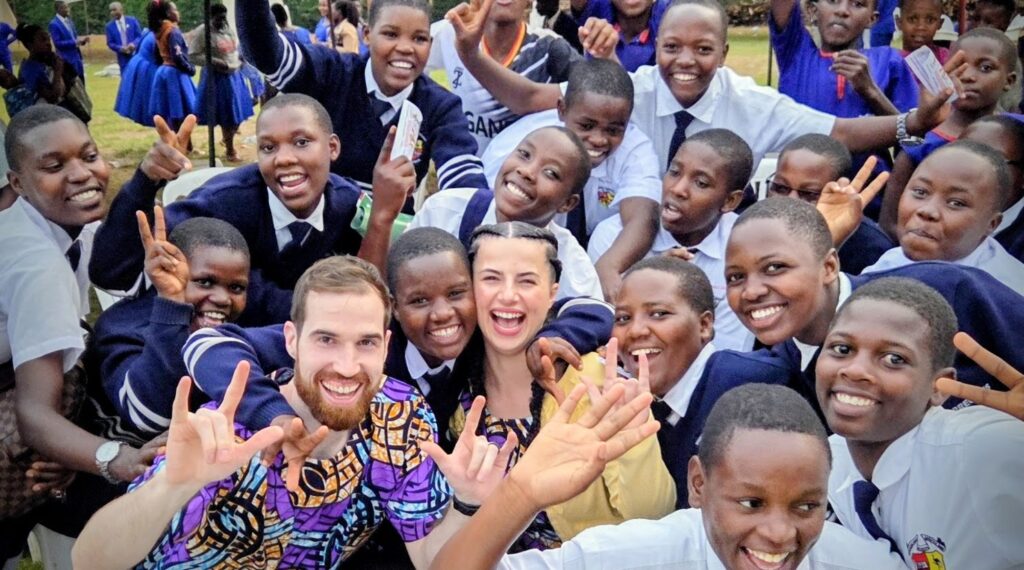
For Brian, the decision was both practical and strategic. TrustBridge Global offered global reach, administrative simplicity, and a trusted reputation among international donors.
“People know TrustBridge Global. They trust TrustBridge Global,” he said. “And that makes it easier for donors to say yes to giving.”
Today, his U.S.-based giving flows through his Share the Light Global website and their National Christian Foundation Donor-Advised Fund (The Share the Light Global Fund #10897). Global support is now handled through their TrustBridge Global Fiscal Sponsorship account, creating a seamless, unified approach to generosity across borders.
Around the world, there are countless leaders, ideas, and ministries ready to make a difference.
What often holds them back is not vision, but infrastructure. Fiscal Sponsorship through TrustBridge Global removes that barrier. It allows generosity to move faster, reach farther, and do more. And it can all begin with a single person willing to step in and say: this can change.
Learn more about how TrustBridge Global supports Fiscal Sponsorship for global ministry work.