Generosity often begins with a simple desire: to help. Many people want to use what they have to make a difference, whether by meeting an urgent need, creating opportunity, or strengthening a community.
The challenge is rarely a lack of care. It is knowing where to begin. With so many worthy organizations and important causes, donors can feel overwhelmed by the choices or unsure which needs align most closely with their values.
Meaningful generosity does not require us to understand every issue or respond to every need. It can begin by identifying what matters to us, learning from people close to the work, and supporting an organization equipped to act. The following cause areas offer a practical place to start.
Where generosity can make a difference
1. Food security and basic needs
Food, safe water, shelter, and sanitation are foundations for health and stability. When any one of them is missing, families can be pushed into difficult tradeoffs between eating, seeking medical care, paying for school, or keeping a safe place to live.
Supporting basic needs can mean helping an organization provide immediate relief. It can also mean investing in longer-term approaches such as clean water systems, agricultural training, or locally led food programs. The strongest initiatives often consider both: what people need today and what can help a community become more resilient tomorrow.
2. Health and wellbeing
A person’s health shapes nearly every part of life, from the ability to learn and work to the strength of an entire household. Yet access to care, medicine, nutrition, mental health support, and services for people with disabilities remains uneven around the world.
Gifts in this area can support community clinics, preventive care, maternal and child health, medical training, or programs that make care more accessible. Donors may be drawn to a specific health concern, but they can also look for organizations that understand health in context and work alongside communities to remove the practical barriers that keep people from receiving care.
3. Education and opportunity
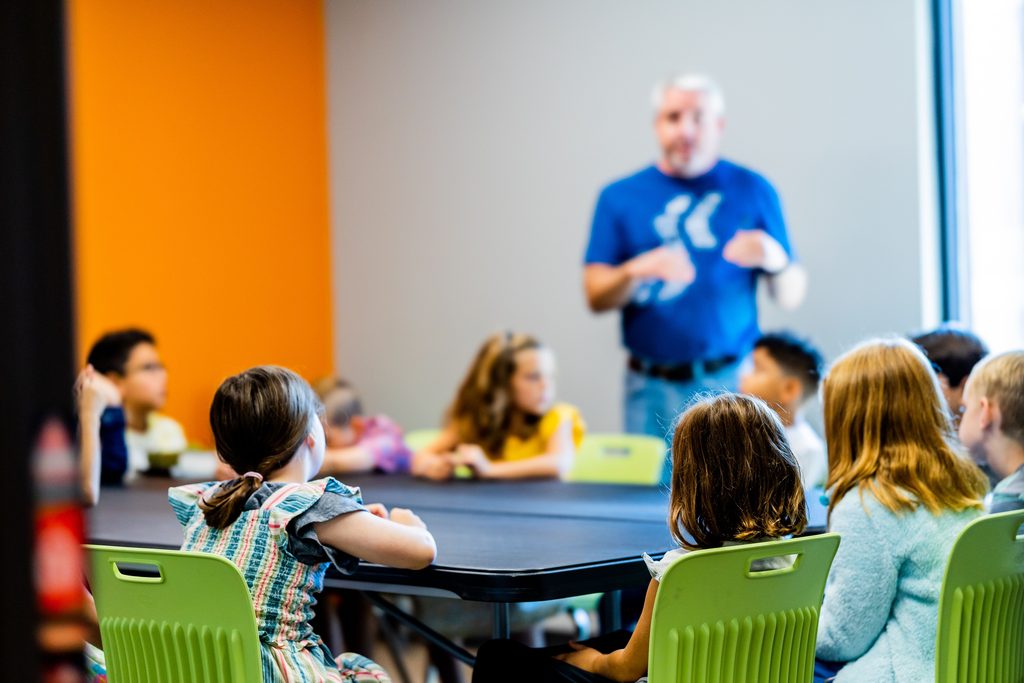
Access to education gives people more opportunities to shape their future. It can help children build a strong foundation, give young people the skills to pursue meaningful work, and equip adults to strengthen their families and communities.
There are many ways to support this cause: early learning, teacher development, scholarships, vocational training, literacy, digital access, or safe learning environments for students whose education has been disrupted. Learners are better able to thrive when education is supported by the wider conditions they need, including nutrition, safety, mentorship, and clear pathways from learning to livelihood
4. Livelihoods and community development
Communities are often best placed to understand both the challenges they face and the solutions most likely to last. Support for livelihoods and community development can help local leaders turn that knowledge into action.
This may include savings groups, small business support, job training, farming initiatives, or programs that strengthen local leadership. These efforts do more than address a single need. They can help people build income, make decisions with greater confidence, and contribute to the wellbeing of others. For donors who value sustainable change, locally led development offers a way to support capacity rather than prescribe outcomes from a distance.
5 Disaster response and long-term recovery
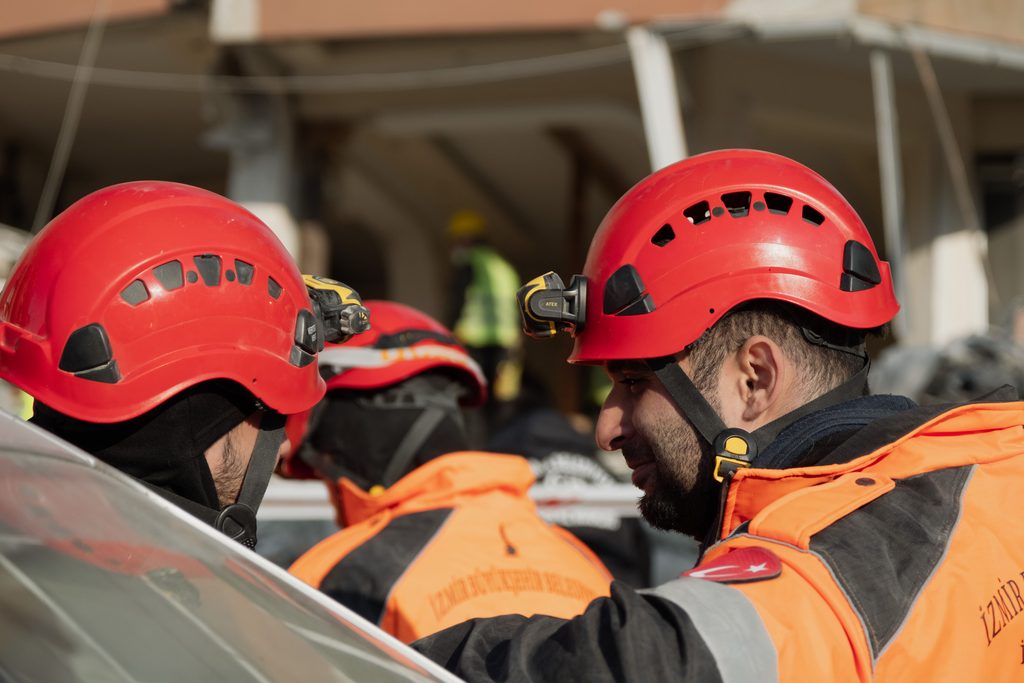
Natural disasters, conflict, and displacement can change lives in a matter of minutes. In the earliest days of a crisis, trusted organizations need flexible resources for food, shelter, medical care, and other urgent priorities.
But recovery rarely ends when public attention moves elsewhere. Rebuilding homes, restoring schools and livelihoods, and supporting emotional recovery can take months or years. Donors can respond to immediate needs while also making room for recovery. Both forms of generosity matter, especially when support is guided by organizations with established local relationships.
Choosing a cause is personal
Cause areas are helpful starting points, but real life rarely fits into a single category. A clean water project can improve health and help children remain in school. A women’s savings group can strengthen household income, confidence, and community leadership. Disaster recovery may depend on restoring both homes and livelihoods.
Choosing where to give often begins by reflecting on the needs and stories that stay with you. Here are some questions that can help guide you where to begin:
- What issue stays with you after the news cycle moves on?
- Do you feel drawn to urgent relief, long-term change, or a combination of both?
- Is there a place, community, or experience that has shaped your understanding of generosity?
- And what would you like to learn more about before you give?
Taking some time to reflect on these questions can help make giving more meaningful and guide how your generosity grows over time. They can also help families talk about shared values and make decisions together.

Why international philanthropy matters
The causes we care about are connected across borders. Health crises, displacement, poverty, education, and climate-related disasters may be global in scale, but their effects are experienced locally. International philanthropy allows donors to support organizations rooted in those communities, where local knowledge and trusted relationships can shape the response.
Giving across borders can also involve practical considerations, including due diligence, local regulations, banking systems, and currency exchange. Trusted philanthropic infrastructure helps address those details so donors can focus on the purpose of their gift and charities can focus on their work.
A place to begin
TrustBridge Global’s GivingSpace offers a simple way to explore and support vetted charities from around the world. Donors can discover organizations by cause and location, learn about specific projects, and choose between supporting an organization’s broader work or a particular initiative.
Wherever your interests lead, GivingSpace can help you take the next step with confidence. Explore GivingSpace and discover organizations turning generosity into meaningful change around the world.